

toughened glass price 6mm
Nylonnetsze für die Vogeljagd Effizienz und Nachhaltigkeit in der modernen Jagdpraxis Die Vogeljagd hat eine lange Tradition und bietet sowohl Freizeitjägern als auch Profis die Möglichkeit, in der Natur aktiv zu sein und ihre Fähigkeiten zu verbessern. In den letzten Jahren hat sich die Technologie der Jagdausrüstung weiterentwickelt, und eine der innovativsten Entwicklungen sind Nylonnetsze. Diese speziellen Netze bieten zahlreiche Vorteile für die Vogeljagd und haben sich als unverzichtbares Werkzeug für viele Jäger etabliert. Nylonnetsze für die Vogeljagd Effizienz und Nachhaltigkeit in der modernen Jagdpraxis Ein weiterer bedeutender Vorteil von Nylonnetszen ist ihre Unsichtbarkeit. Die Netze können in verschiedenen Farbtönen und Mustern hergestellt werden, um sich optimal in die natürliche Umgebung einzufügen. Dies ist entscheidend für den Jagderfolg, da viele Vögel sehr scheu sind und schnell reagieren können, wenn sie Gefahr wittern. Mit gut positionierten Nylonnetszen können Jäger die Chancen erhöhen, ihre Ziele zu erreichen, ohne die Tiere zu verschrecken. nylon nets for hunting bird Die Verwendung von Nylonnetszen trägt auch zur nachhaltigen Jagdpraxis bei. Im Vergleich zu traditionellen Fangmethoden, die häufig laut und störend sind, ermöglichen sie eine leise und weniger invasive Jagdmethode. Dies ist nicht nur vorteilhaft für die Jäger, sondern auch für die Vogelpopulationen und das Ökosystem im Allgemeinen. Eine schonende Jagdmethode hilft, ein Gleichgewicht in der Natur zu wahren und die Artenvielfalt zu schützen. Zusätzlich zu den praktischen Vorteilen bieten Nylonnetsze auch eine kosteneffiziente Lösung für Jäger. Sie sind in der Regel günstiger als viele andere spezialisierte Jagdgeräte und erfordern weniger Wartung. Dies macht sie zu einer idealen Wahl für Hobbyjäger, die möglicherweise nicht bereit sind, in teure Ausrüstung zu investieren, aber dennoch effektiv jagen wollen. Dennoch ist es wichtig, verantwortungsbewusst mit dieser Jagdmethode umzugehen. Jäger sollten sich immer über die lokalen Jagdgesetze und -bestimmungen informieren, um sicherzustellen, dass sie sich im Einklang mit den Regeln bewegen. Zusätzlich sollten ethische Überlegungen im Vordergrund stehen, um sicherzustellen, dass die Jagd nicht nur erfolgreich, sondern auch respektvoll gegenüber der Natur durchgeführt wird. Zusammenfassend lässt sich sagen, dass Nylonnetsze eine wertvolle Ergänzung zur Ausrüstung eines jeden Vogeljägers darstellen. Ihre Vielseitigkeit, Robustheit und die Möglichkeit, sie nachhaltig einzusetzen, machen sie zu einem idealen Werkzeug für die moderne Jagdpraxis. Durch den Einsatz von Nylonnetszen können Jäger nicht nur ihre Effizienz steigern, sondern auch einen positiven Beitrag zum Erhalt der Natur und der Tierwelt leisten.
about
toughened glass price 6mm
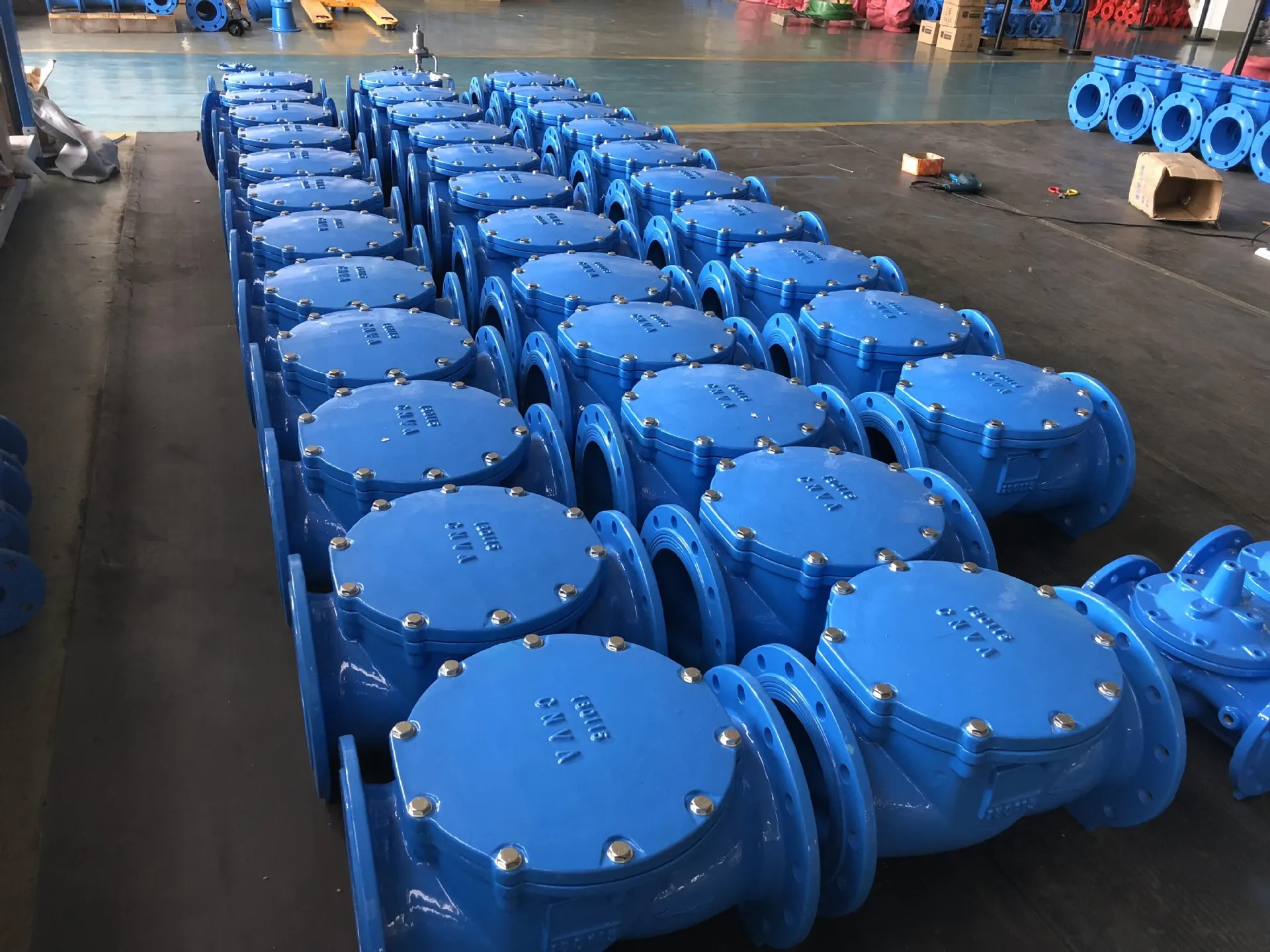
Types of Control Valves and Their Applications Control valves are essential components in various industrial processes, responsible for regulating fluid flow, pressure, and temperature within a system. They play a crucial role in automating and controlling processes in sectors such as oil and gas, water management, power generation, chemical manufacturing, and many others. Understanding the different types of control valves and their applications is vital for optimizing system performance and efficiency. 1. Globe Valves Globe valves are one of the most common types of control valves. They have a spherical body with a movable disc or plug that regulates flow. When the valve is partially opened or closed, the flow path changes, allowing for fine control over the flow rate. Globe valves are suitable for throttling applications and can handle high-pressure systems. They are widely used in chemical processing, water treatment, and HVAC systems. 2. Ball Valves Ball valves are known for their quick-response capability and reliability. They consist of a spherical disc that rotates to open or close the flow path. Ball valves are excellent for on/off control and can handle higher flow rates with lower pressure drops. Their tight sealing capabilities make them ideal for applications where leakage is a concern. They are commonly used in water supply systems, oil and gas applications, and as shut-off valves in various industrial processes. 3. Butterfly Valves Butterfly valves are characterized by a circular disc that rotates around a central axis to control flow. They are lightweight and require less space than other types of valves, making them suitable for applications with limited space. Butterfly valves are commonly used in large-scale systems such as water supply, wastewater management, and HVAC systems due to their ease of operation and cost-effectiveness. They provide good flow control and are highly efficient for larger pipes. 4 . Check Valves types of control valve and applications While technically not control valves in the traditional sense, check valves are crucial for preventing backflow in a system. They allow flow in one direction and automatically close when there is a reverse flow, protecting equipment and maintaining system integrity. Check valves are commonly used in water supply systems, fire protection systems, and oil and gas applications to ensure safety and reliability. 5. Pressure Relief Valves Pressure relief valves are critical for maintaining system safety by preventing excessive pressure buildup. When the pressure exceeds a predetermined limit, these valves open to release excess pressure, thus protecting equipment from damage. They are essential in industries like oil and gas, chemical processing, and power generation and are often used in conjunction with other control valves to ensure optimal performance and safety. Applications in Various Industries Different types of control valves are tailored for specific applications across various sectors. In the oil and gas industry, control valves regulate the flow of crude oil and natural gas, ensuring efficient extraction and transportation. In chemical manufacturing, they control the flow of reactants and products, maintaining optimal conditions for chemical reactions. In water treatment facilities, control valves regulate flow and pressure within pipelines to ensure clean and safe drinking water. Additionally, the power generation sector relies on control valves to manage steam and water flow in power plants, ensuring efficient energy production. HVAC systems utilize control valves to regulate air and water flow, contributing to energy savings and comfort in buildings. Conclusion Understanding the types of control valves and their respective applications is essential for engineers and operators in various industries. By selecting the appropriate control valve for specific needs, companies can enhance operational efficiency, ensure safety, and maintain system integrity. As industrial processes continue to evolve, the role of control valves in automation and control will remain pivotal in driving technology-forward solutions.
-

High quality industrial productsagement

High quality industrial products
View Details -

Meet the diverse needs of customers

Meet the diverse needs of customers
View Details -

Strict quality control

Strict quality control
View Details -

Top raw materials

Top raw materials
View Details -

Trusted supplier

Trusted supplier
View Details
Our application
news and information

water valves
Understanding Water Valves Essential Components in Fluid Control Water valves are critical component
Water Shutoff Valve Operation and Maintenance Guide for Homeowners and Professionals
Understanding Water Valve Shutoff Importance and Procedures Water valve shutoff is a critical compon
vanne de porte
Les vannes sont des composants essentiels dans les systèmes de tuyauterie et de distribution de flui
 English